






If you’re visiting Hawaii between February and March, you’re here at a very specific moment of the year. One that doesn’t last long, and one that cannot be recreated later. Hawaii’s humpback whale season is almost over.
By April, the whales begin their long migration back to Alaska, and one of Hawaii’s most extraordinary natural experiences disappears until next winter. If you’re ever wondered whether whale watching is worth it, this is the window when the answer is clearest.
Why This is the Last Chance Whales Season in Hawaii
Humpback whales don’t live in Hawaii year round. They travel thousands of miles each winter from cold northern waters to Hawaii’s warm seas to breed, give brith, and nurse their calves. This migration follows a predictable pattern:
- December: Early arrivlas
- January – February: Peak Season
- March: Final month before departure
- April onward: Whales begin leaving Hawaii
That makes February – March the final opportunity to see humpback whales in Hawaii for the season, not later, not next month, but next winter.
What You’ll Miss After March
This is what truly ends when whale season does:
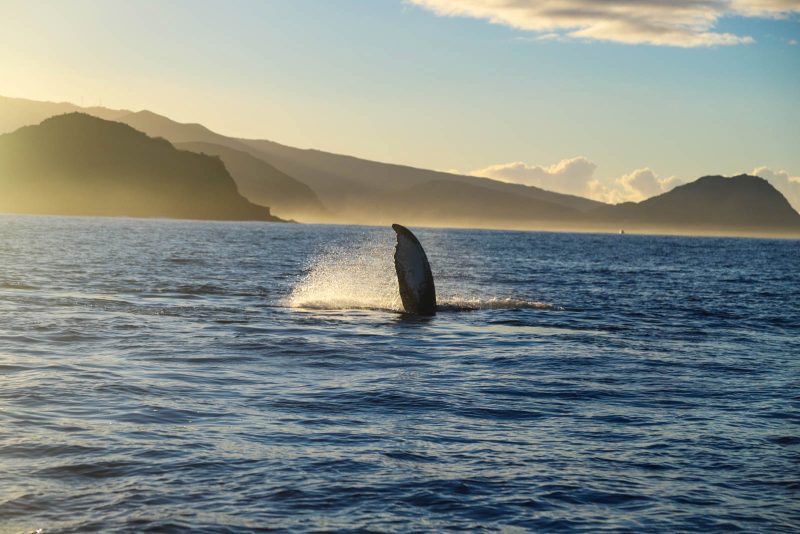
- Surface activity like breaching and tail slaps
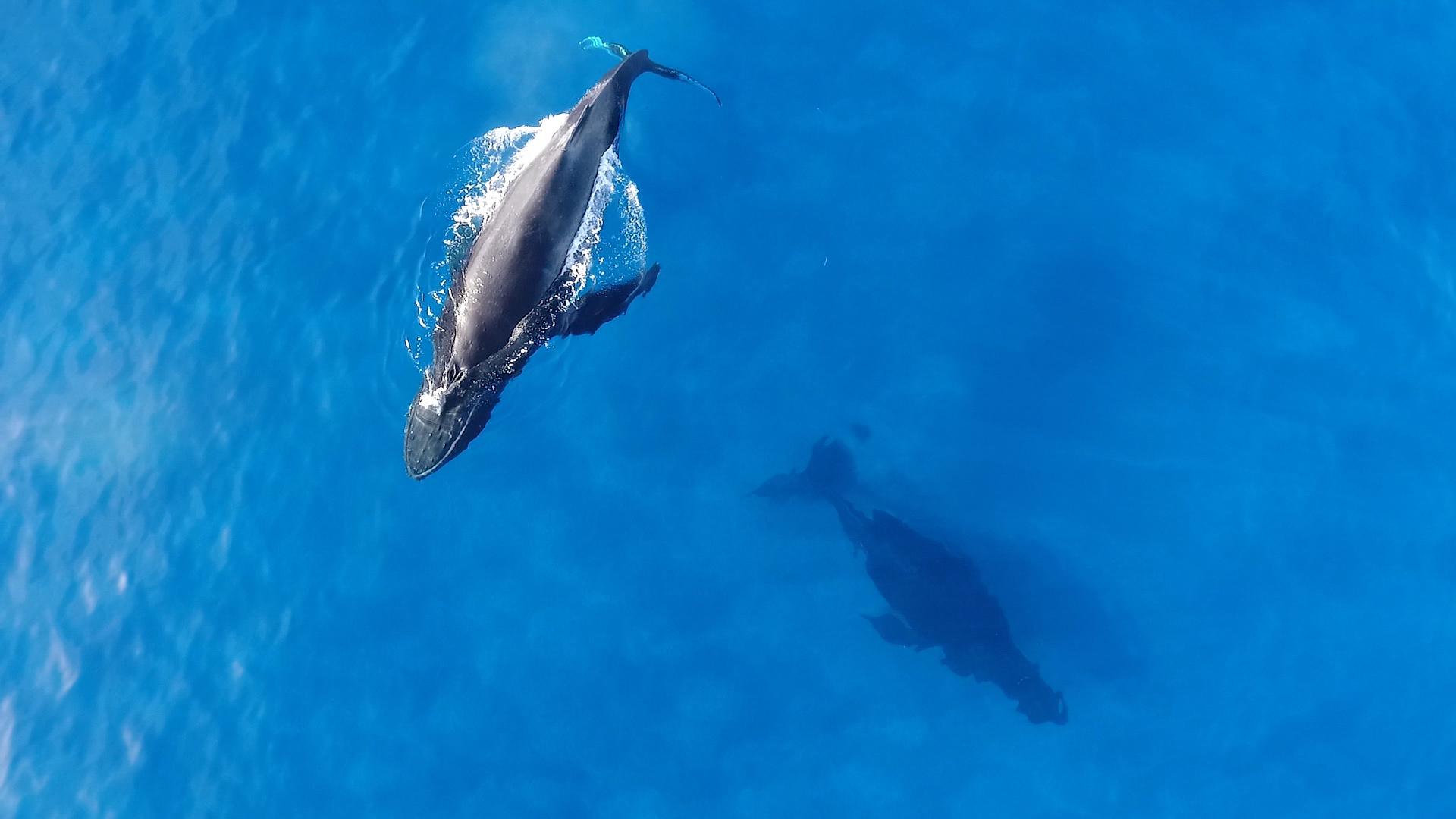
- Close sightings of mother & calf pairs near the islands
- The chance to hear live whale songs underwater
- Calm, lingering whales resting in warm waters
- A once-per-year experience unique to Hawaii’s winter
This isn’t something you can replace with snorkeling, boat tours, or coastal viewpoints later in the year. Once the whales leave, they’re gone.
Why February and March is Still Prime Whale Watching
A common question we hear is “Isn’t March already late?”
Actually no. Late season whale watching often comes with advantages:
- Whales are fully settled in the islands
- Mother and calf sightings increase
- Behavior tends to be calmer and more observable
- Weather and daylight are more predictable than early winter
If anything, February and early March offer a balance of high activity + stable conditions.
Why Oahu is a Great Place for Whale Watching
Oahu is often overlooked in favor of neighbor islands, but it offers several advantages:
- Whales migrate close to shore
- Short travel time from Waikiki
- Diamond Head & Gold Coast waters are active viewing areas
- Ideal for travelers with limited time
You don’t need to island hop to have a meaningful whale experience.
Recommended Tour for the Final Weeks: Whales and You
For travelers visiting during this final window, Whales and You is designed specifically around Hawaii’s winter whale season.
What makes it a strong choice:
- Winter only humpback whale watching tour
- Professional marine naturalists onbaord
- Hydrophone system to hear live whale songs
- Ethical viewing practices (no chasing or harassment)
- Family friendly exprience
- Free re-ride policy if whales aren’t spotted (conditions apply)
Limited Time 26% OFF Special
For a short time, travelers can receive 26% off with the code NY2026
This isn’t positioned as the reason to go but if you’re already visiting Hawaii before April, it makes the decision easier. Late season opportunities like this don’t come around often, especially during peak months.
Why Shouldn’t Miss This
This experience is especially meaningful for:
- First time Hawaii visitors
- Families traveling in winter
- Nature and wildlife lovers
- Travelers visiting between February and March
- Anyone who doesn’t want to say “I wish we’d done that”
You don’t need to fill every day with activities, but this is one that genuinely defines the season.

What to Expect on the Day
- Morning and afternoon departure available
- Ocean conditions vary, whale sightings are wildlife dependent
- Safety and respectful viewing come first
- Guides explain behavior, migration, and ecology
- No guarantees, just honest and ethical whale watching
This transparency is part of what makes the experience rewarding.
If You’re in Hawaii Before April, Don’t Skip This
Hawaii offers incredible experiences year round, but whale season is not one of them.
If you’re here during these final weeks, this is one experience that truly belongs to the moment, not something you can postpone. Sometimes the best travel decisions aren’t about doing more, but about not missing what won’t be there later.