







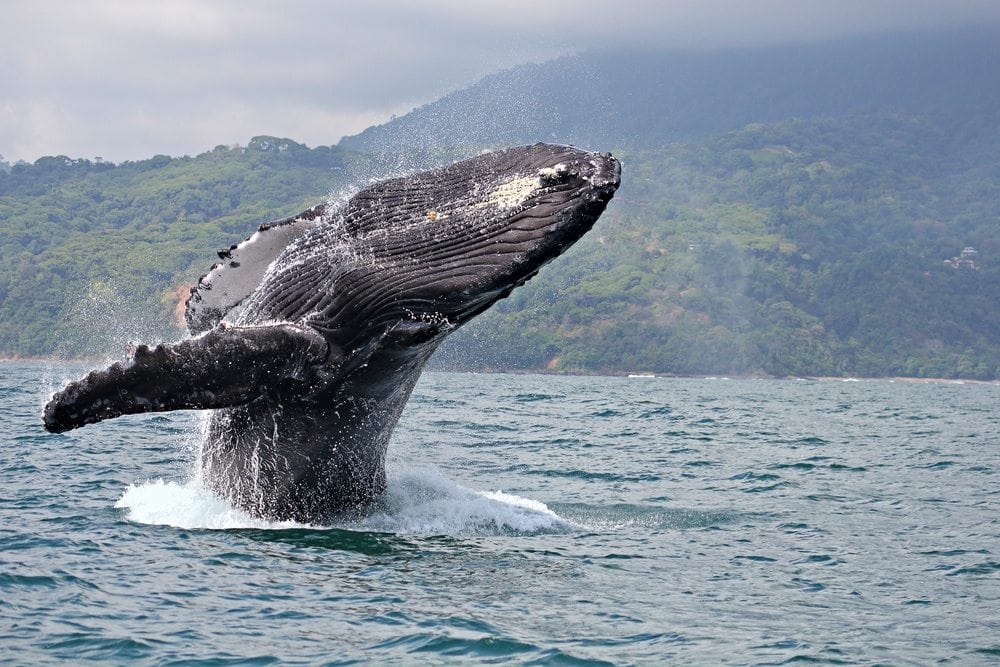
Hawaii is one of the best places in world to see humpback whales in the wild. Every winter, thousands of these majestic animals migrate to Hawaiian waters, creating one of the most unforgettable ocean experiences you can have. But when is the best time to go? Where should you watch them? And how do you choose the right tour? In this complete guide, we’ll break down everything you need to know about whale watching in Hawaii, including the best season, top locations, and how to choose a tour that gives you the highest chance of seeing whales.
Why Hawaii is One of the Best Places for Whale Watching
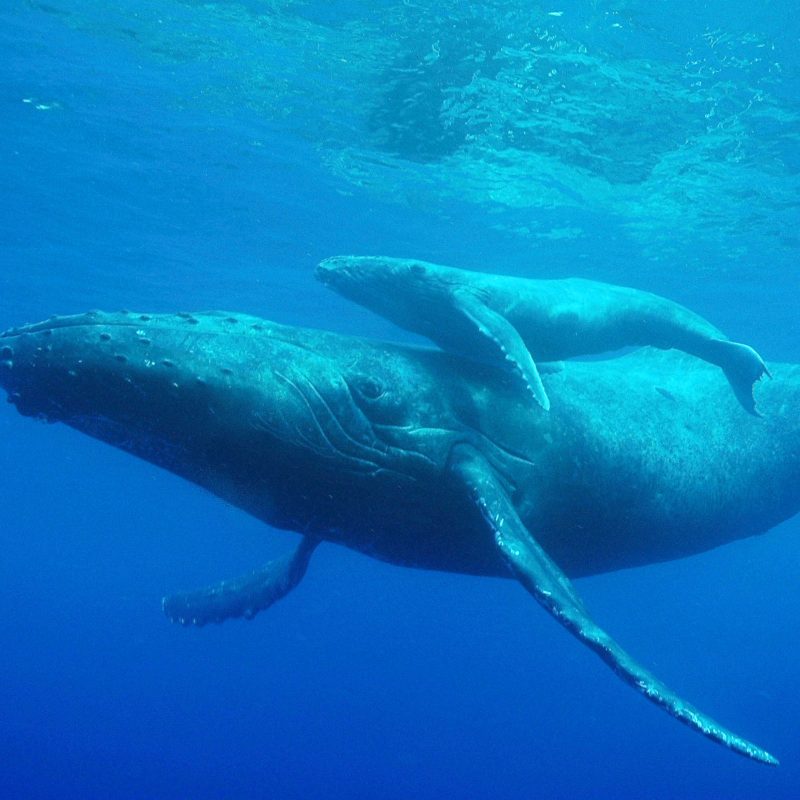
Every year, North Pacific humpback whales migrate over 3,000 miles from Alaska to Hawaii. They travel to these warm, protected waters to breed, give birth, and nurse their calves. Because Hawaii serves as a major breeding ground, whale sightings here are not just possible, they’re incredibly common during the winter months. While islands like Maui are often known for whale watching, Oahu also offers excellent opportunities especially along its southern coastline near Waikiki and Diamond Head.
Best Time for Whale Watching in Hawaii
Whale watching in Hawaii is a seasonal experience
- Season: December to March
- Peak Months: January to February
- Best overall sightings: Mid January through early March
Early in the season (December), you may see fewer whales as they begin arriving. By January and February, sightings are frequent, with whales often breaching, tail-slapping, and traveling in groups. Most whale watching tours operate only during this window, so timing your trip during these month is key.
Where to See Whales in Oahu
On Oahu, whales are most commonly seen along the Southern coast. Top areas include Waikiki coastline, Diamond Head, and Oahu’s Gold Coast. While it’s sometimes possible to spot whales from shore, the experience is limited. For a closer and more reliable encounter, a boat tour offers significantly better visibility and access to active whale areas.

How to Choose a Whale Watching Tour
Not all whale watching tours are the same. Choosing the right one can make a big difference in your overall experience. Here are a few key factors to consider:
1. Departure Location
Tours departing from Waikiki or nearby harbors (like Kewalo Basin) are convenient and reduce travel time
2. Experience & Guides
Look for tours led by knowledgeable crew or naturalists who can explain whale behavior, migration, and Hawaiian marine life.
3. Onboard Experience
Some tours offer added value like cultural elements, snacks, or unique features such as underwater hydrophones.
4. Whale Sighting Guarentee
A guarantee policy can provide peace of mind, especially if you’re visiting for a short time. One of the most popular options that combines all of these elements is Whales and You, a Waikiki based whale watching tour designed to offer both wildlife encounters and Hawaiian cultural experiences.
Oahu Whale Watching Tour: Whales and You
If you’re looking for a reliable and well-rounded whale watching experience on Oahu, Whales and You is one of the top-rated options available. This seasonal tour departs from Kewalo Basin Harbor, just minutes from Waikiki, and operates daily during whale season from December through March.
Why This Tour Stands Out
- Whale Sighting Guarantee: If you don’t see a whale, you can rebook for free until you do.
- Listen to Real Whale Songs: An onboard underwater hydrophone lets you hear live humpback whale sounds beneath the ocean surface
- Cultural Experience Included: Enjoy a traditional Hawaiian chant (E Ho Mai). and live hula performance onboard.
- Local Snacks & Drinks: Morning tours include poi mochi donuts, while afternoon tours feature local snacks, along with complimentary beverages
- Convenient Waikiki Pickup: Transportation from Waikiki is included for added ease
What to Expect
During this 2 hour cruise, you’ll travel along Oahu’s scenic coastline, often near Diamond Head, where humpback whales are frequently spotted. Guests may see whales breaching, tail-slapping, or swimming with calves. Along the way, the crew provides educational commentary about whale behavior, marine ecosystems, and Hawaiian traditions. The experience blends wildlife viewing with cultural storytelling, making it more than just a sightseeing tour.
What to Expect on a Whale Watching Tour
Whale watching is a natural experience, so every tour is slightly different. However, most follow a similar flow:
- Depart form harbor and head toward active whale areas
- Scan the ocean for spouts, splashes, or movements
- Approach whales at a safe, regulated distance
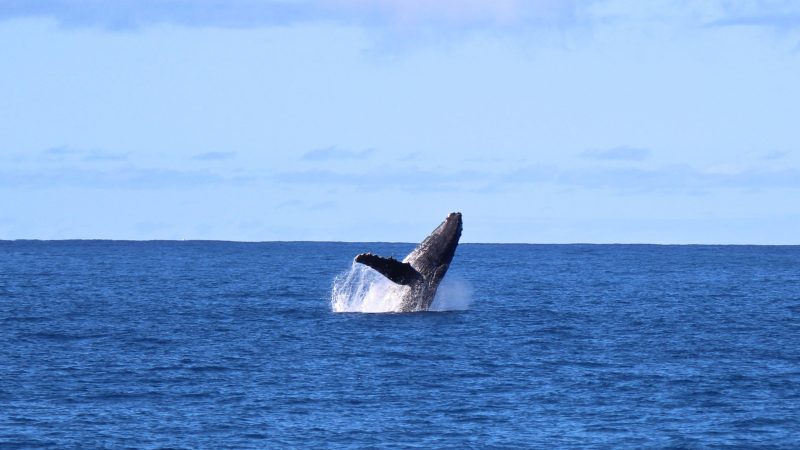
- Observe behaviors like breaching or tail slapping
- Return while enjoying onboard activities or scenery
While sightings are very common during peak season, they are never 100% guaranteed which is why choosing a tour with a guarantee policy can be helpful.
Whale Watching Tips
To make the most of your experience, keep these tips in mind:
- Bring a light jacket: it can be windy on the water
- Take motion sickness precautions if needed
- Use your phone or camera zoom for better photos
- Choose morning tours for calmer ocean conditions
- Arrive early for check in and boarding
Whale watching is also family-friendly but young children should always be supervised due to ocean conditions
FAQ: Whale Watching in Hawaii
Can you see whales from shore in Oahu?
Yes, but sightings are less frequent and farther away compared to boat tours
What is the best time of day to see whales?
Morning tours often have calmer waters, but whales can be seen throughout the day
Are whale sightings guaranteed?
Not always, but some tours, like Whales and You, offer free rebooking if no whales are seen.
Is whale watching safe for kids?
Yes, but conditions can be rocky, so supervision is important
Whale watching in Hawaii is truly a once in a lifetime experience, especially during the winter months when humpback whales fill the islands’ waters. Choosing the right tour can make all the difference, and with its whale sighting guarantee, cultural elements, and unique onboard experiences, Whales and You offers one of the most complete whale watching tours on Oahu. If you’re visiting Hawaii between December and March, this is one experience you won’t want to miss.