



Hawaii is one of the most visited places on Earth. But with millions of tourists arriving every year, the islands face real pressure, on coral reefs, ocean wildlife, and local communities. The Hawaiian concept of malama aina means to care for the land. And as a visitor, you can practice it too. This guide covers simple, meaningful ways to travel responsibly on Oahu so the islands stay beautiful for generations to come.
Malama is a Hawaiian word that means to care for, protect, and preserve. Traditionally, it described the relationship between people and the natural world, the ocean, the land, and all living things. Today, the idea of malama aina shapes how many Hawaii residents think about tourism. Visitors who malama the islands go beyond just enjoying them. Instead, they make choices that give back. Even small actions add up. Choosing reef-safe sunscreen, respective wildlife, and supporting local businesses all make a difference.
Hawaii’s ecosystems are fragile. In fact, the islands are home to more endangered species than any other U.S. state. Oahu’s coral reefs support thousands of marine species. However, chemical sunscreens, careless snorkeling, and marine debris all damage them. Sea turtles nest on local beaches, but human disturbance threatens their recovery. Beyond the environment, over-tourism can strain local infrastructure and communities. As a result, many residents have called for more thoughtful, responsible visitors. The good news? Most responsible travel habits are easy to adopt. Moreover, they often lead to a better experience for you too. When you slow down and travel with intention, you discover a deeper, more authentic side of Hawaii.
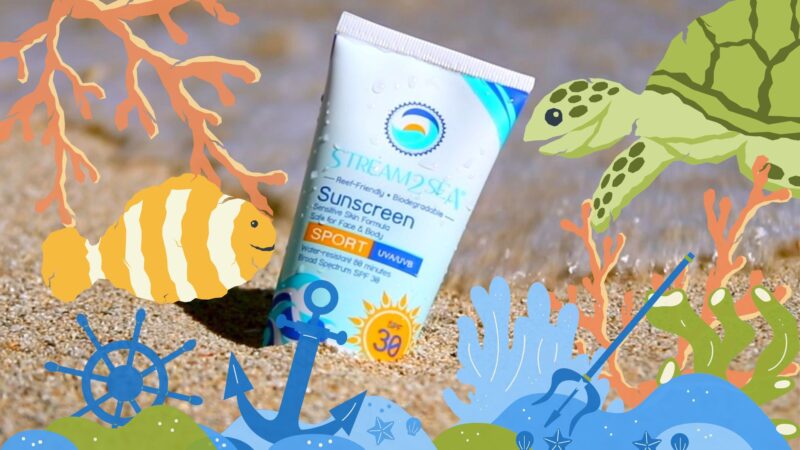
Sunscreen is essential in Hawaii. However, many popular brands contain oxybenzone and octinoxate, chemicals that bleach and kill coral reefs. Hawaii was the first U.S. state to ban these chemicals. Still, many visitors unknowingly bring non-compliant sunscreens. Look for mineral based sunscreens with zinc oxide or titanium dioxide instead. These provide strong UV protection without harming marine life. Additionally, water-resistant formulas reduce the amount that washes off in the ocean.
“What is Reef-Safe Sunscreen?”
Oahu’s waters are home to Hawaiian green sea turtles (honu), spinner dolphins, and humpback whales. These animals are federally protected. When you encounter them in the ocean, keep a respectful distance. For sea turtles, that means staying at least 10 feet away. Similarly, you should never touch, feed, or chase marine animals. Spinner dolphins need rest during the day. Because of this, approaching them close to shore during daytime hours is actually restricted by federal law. Responsible tour operators follow these guidelines. As a results, they help ensure wildlife thrives for future visitors.
Coral reefs cover less than 1% of the ocean floor. Yet they support nearly 25% of all marine life. On Oahu, reefs are under threat from climate change, runoff, and physical damage. Therefore, how you snorkel and swim. matters. Never stand on or touch coral, even a brief touch can kill it. Furthermore, avoid kicking up sand near reef areas. If you’re new to snorkeling, practice your buoyancy in open water first. Choosing an eco-conscious ocean tour is another great option. These operators educate guests and actively work to protect the reefs they visit.
“How Climate Change is Impacting Oahu’s Ocean Tours”
Plastic pollution is a serious threat to Hawaii’s oceans. Millions of pieces of plastic wash up on local beaches every year. Fortunately, small changes make a real impact. Bring a reusable water bottle, skip single use straws, and carry a tote bag for shopping. Additionally, pick up any trash you see on the beach, even if it isn’t yours. Many local businesses now offer plastic-free alternatives. Supporting these shops reinforces the message that visitors care about sustainability.
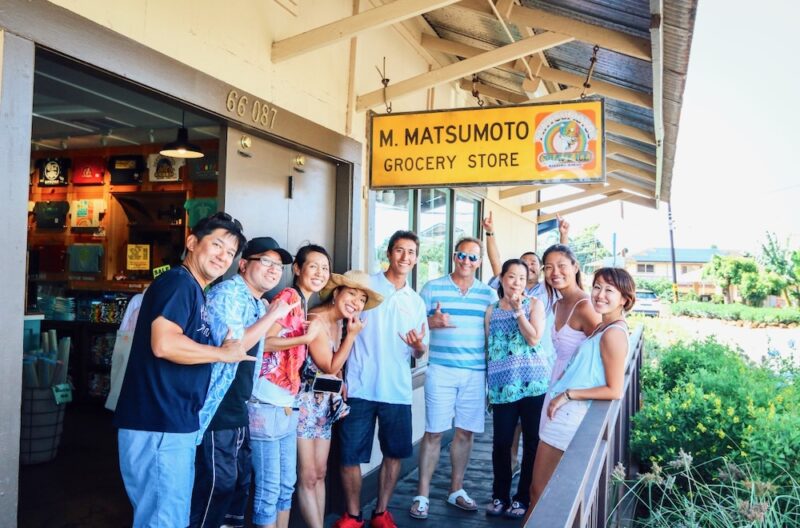
Responsible travel isn’t just about the environment. It’s also about supporting the people who call Hawaii home. Choose locally owned restaurants, shops, and tour companies. As a result, more of your spending stays within the community. Moreover, small businesses often offer more authentic, personal experiences than chain alternatives. Volunteering is another powerful way to give back. Organizations like VolunteerAlly connect visitors with beach cleanups, reef restoration, and cultural preservation projects. Even learning a few Hawaiian words show respect for the culture. Simple phrases like “mahalo” and “aloha” go a long way.
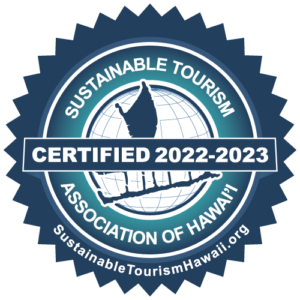
Not all tours are equal. Some operators prioritize speed and volume over sustainability. Others, however, invest in education, small group sizes, and low-impact practices. Look for tours certified by organizations like Hawaii Ecotourism Association. Certified operators meet standards for environmental stewardship and cultural respect. At And You Creations, our tours are designed with malama in mind. Consequently, every experience includes education on marine conservation and responsible wildlife interaction. We believe that enjoying Hawaii and protecting it go hand in hand.
“Sustainable Tourism Hawaii with Qurator”
You don’t have to be a conservationist to malama Hawaii. Simply being a mindful visitor makes a meaningful difference. Use reef-safe sunscreen. Keep your distance from wildlife. Reduce your plastic use. Support local businesses. And Choose tours that give you back to the islands. Because of visitors like you, Hawaii’s reefs, wildlife, and communities can continue to thrive. The aloha spirit isn’t just about warmth and welcome, it’s also about responsibility and care. Mahalo for traveling with intention. The islands are grateful.
Ready to experience Oahu the right away? Explore our eco-conscious tours 👉 Click Here