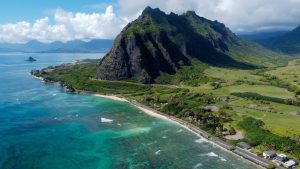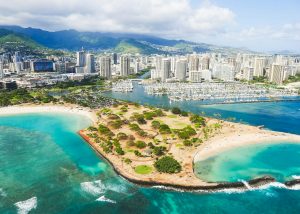






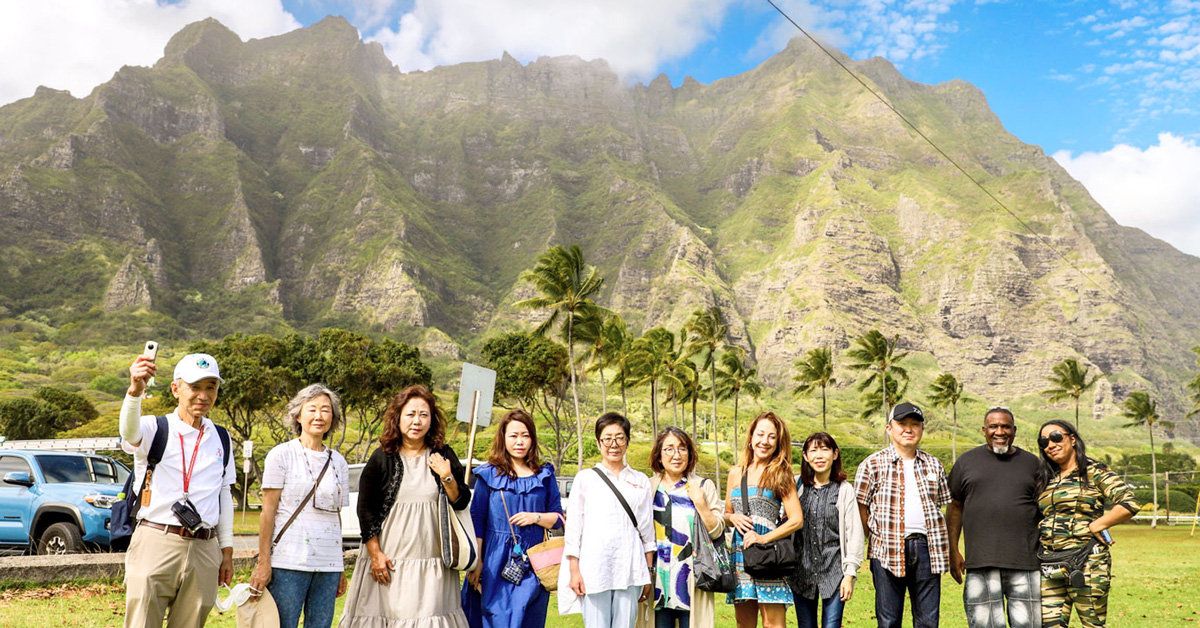
Oahu is small enough to circle in a day and rich enough to need a week. Every visitor ends up at Diamond Head and Waikiki Beach, that part’s a given. But the island’s best attractions span volcanic craters, pineapple fields, legendary surf breaks, and at least one spot locals consider genuinely scared. This guide breaks down Oahus’ must-see attractions by what they actually offer, with honest notes on when to go and what to skip.
Diamond Head Crater: Oahu’s Most Iconic Hike
If Oahu has one defining attraction, it’s Diamond Head. The volcanic crater rises 760 feet above Waikiki, and its Hawaiian name, Leahi, brow of the tuna, describes the silhouette of its summit ridge. British sailors renamed it Diamond Head in the 1800s after mistaking the crater’s calcite crystals for diamonds. There were no diamonds. The name stuck anyway.
The hike itself climbs the inside slope of the crater via switchbacks, and a couple of short tunnels, moderate difficulty, manageable for most fitness levels. The reward at the summit is a full panoramic view of Waikiki, downtown Honolulu, and the Pacific, with Molokai visible on clear days. Reservations are required for both entry and parking, and parking sells out months aheads, arrive early or skip driving altogether.
North Shore Icons: Banzai Pipeline and Pele’s Followers
The North Shore operates on a different rhythm than Waikiki, fewer high rises, more farm stands, and a surf culture that’s been central to the area’s identity for decades. Two attractions here stand our for very different reasons.
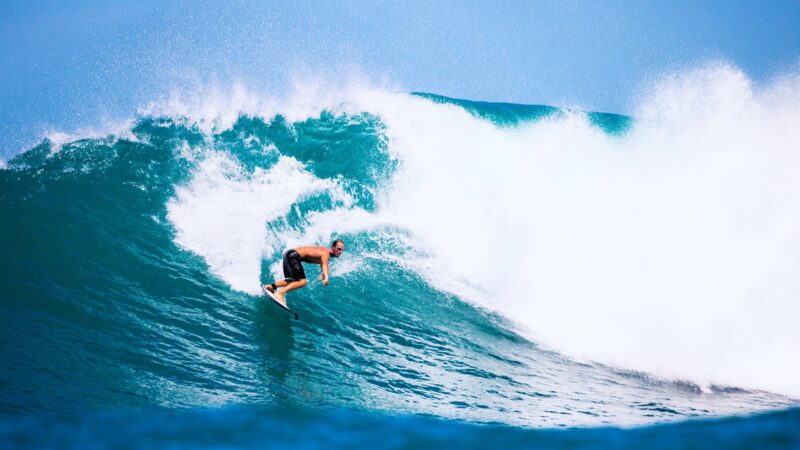
Banzai Pipeline
Officially Ehukai Beach Park, the Banzai Pipeline is one of the most famous surf breaks on Earth. From November through February, swells produce the barrel-shaped waves that have made this stretch of reef legendary among professional surfers, it’s the site of the Pipeline Masters, the finale of the Vans Triple Crown of Surfing. Even outside surf season, its’ worth a stop. The beach park has restrooms, showers, and lifeguards, and watching the swell roll in is its own kind of attraction.
Pele’s Followers
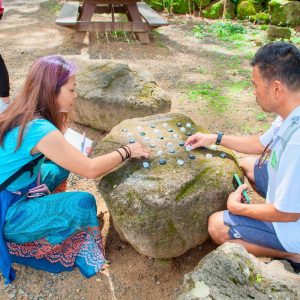
Tucked between Shark’s Cove and Ke Iki Beach is a far quieter site. A small, sacred spot believed to be infused with the energy of Pele, the Hawaiian goddess of fire. It’s not marked on most tourist maps, and reaching it requires a short walk down an unassuming path behind a small residential area. Locals visit for its reputed healing and spiritual energy, worth approaching with the same respect you’d bring to any sacred site, anywhere in the world.
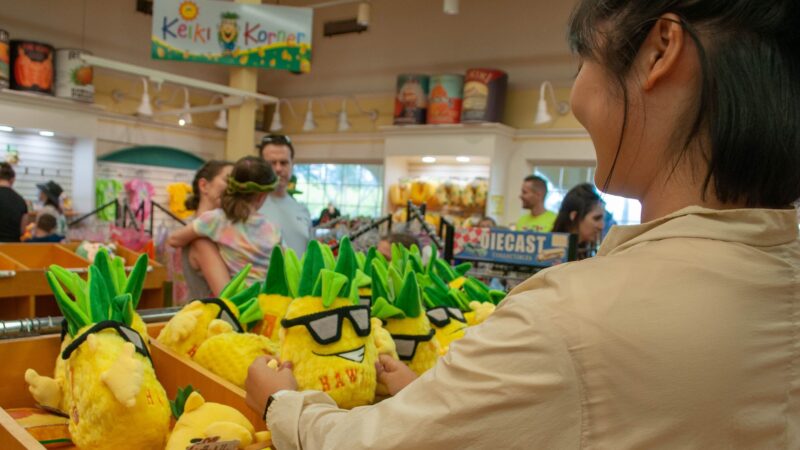
Dole Plantation
It’s easy to dismiss Dole Plantation as gift shop trap, and the parking lot full of tour buses doesn’t help its case. But the plantation has genuine substance behind the pineapple branding, self guided tour covering Hawaii’s agricultural history, the Pineapple Express train ride through working fields, and the Pineapple Garden Maze, one of the largest mazes in the world by pathway length. For families especially, it’s a worthwhile stop on the way to or form the North Shore. And yes, get the Dole Whip. It’s genuinely good.
Oahu’s Natural Side
Beyond the headline attractions, Oahu’s geology and plant life tell their own story. The island itself is volcanic in origin, part of a chain shaped by the same hotspot that continues to build the Big Island today, understanding that history adds context to nearly every landscape you’ll see while exploring.
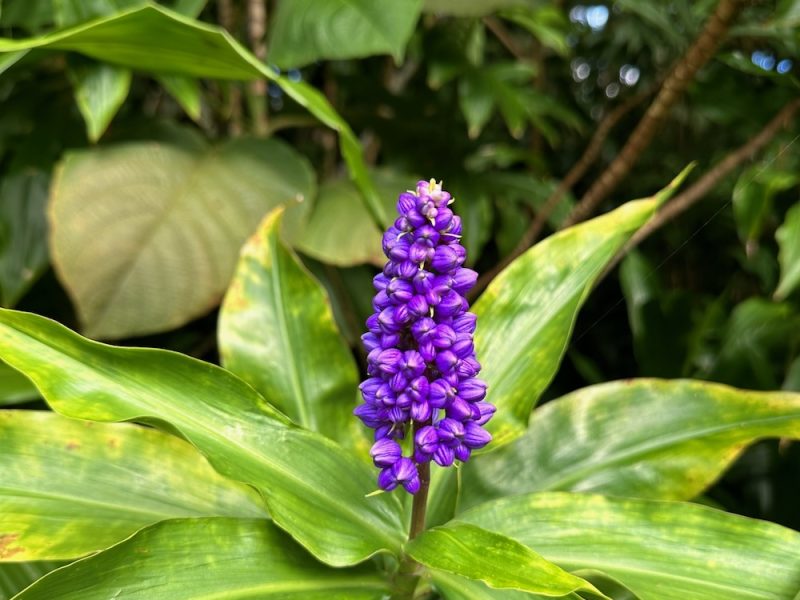
The Hawaii Tropical Botanical Garden near Onomea Bay is frequently mentioned alongside Oahu attractions for travelers island hopping. But Oahu has its own strong contenders in native flora. Hibiscus, plumeria, bird of paradise, and the banyan tree all thrive here. The banyan is especially iconic — its aerial roots create entire canopy ecosystems on their own. A few historic banyans on Oahu are well over a century old, and worth seeking out if massive old-growth trees are your thing.
Oahu’s Most Photogenic Attractions
A handful of Oahu’s attractions earn their popularity partly because they photograph as well as they feel in person. Diamond Head from Kapiolani Park, framed by palm tress, is the classic shot. The Lanikai Pillbox trail rewards climbers with graffiti-covered bunkers overlooking the twin Mokulua islands, one of the most reliably stunning views on the island, though parking nearby is genuinely and arriving early matters.
Getting Between Attractions on Oahu
Oahu’s attractions are spread across the island. Traffic between Waikiki and the North Shore can take well over an hour during peak times. Renting a car gives the most flexibility for exploring at your own pace. But not everyone wants to deal with parking and driving. For visitors based in Waikiki, hop-on hop-off trolley lines connect many major stops — Diamond Head, the Honolulu Farmers Market, and several shopping and dining areas. No parking headache required.