






Updated April 2026
Why Oahu’s Waterfalls Draw So Many Visitors
Hawaii and waterfalls go hand in hand. When most people imagine the islands, they picture turquoise water, swaying palms, and dramatic cascades dropping down lush green cliffs. Oahu delivers on that image, but with some important caveats. Not every waterfall you see on social media is open to the public. Many are off-limits for swimming. Some require permits just to access the trail. And a few have been closed permanently due to safety incidents. That’s why this guide exists. Whether you want a family-friendly stroll, a real jungle hike, or the rare chance to swim under a Hawaiian waterfall, we cover everything you need to know before you go.
Can You Actually Swim in Oahu’s Waterfalls?
This is the most common question visitors ask and the honest answer is: usually no. Most of Oahu’s waterfalls look perfect for a swim. However, the majority are off-limits due to flash flood risks, falling rocks, or harmful bacteria like leptospirosis. Several popular swimming spots have been closed for years due to accidents and overcrowding.
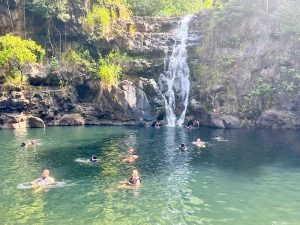
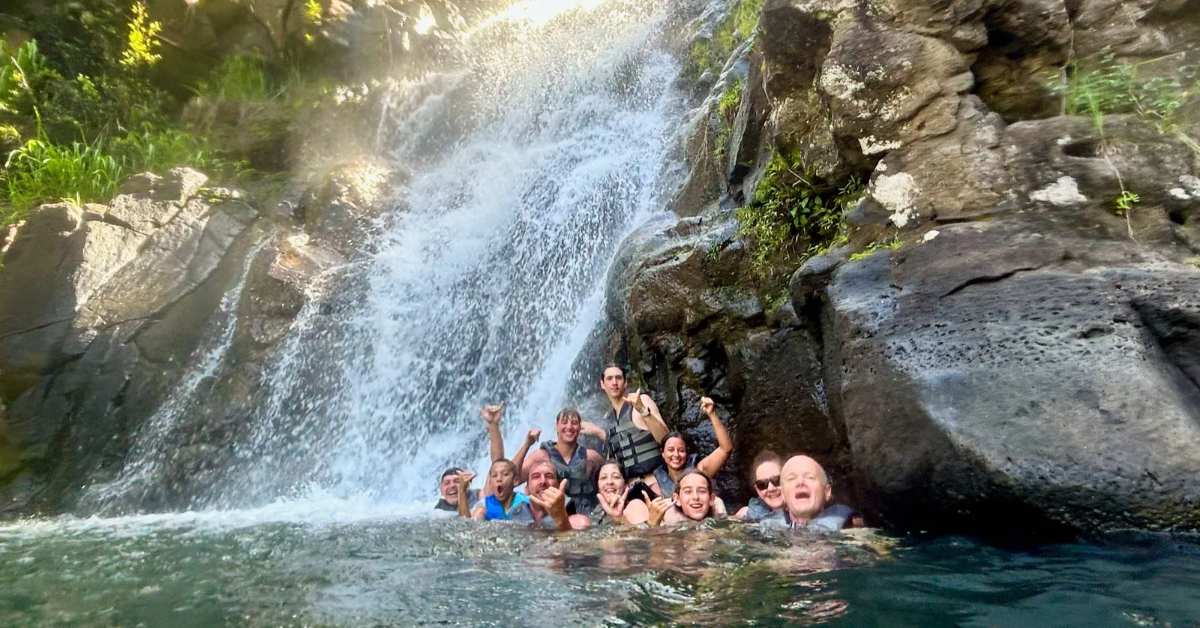
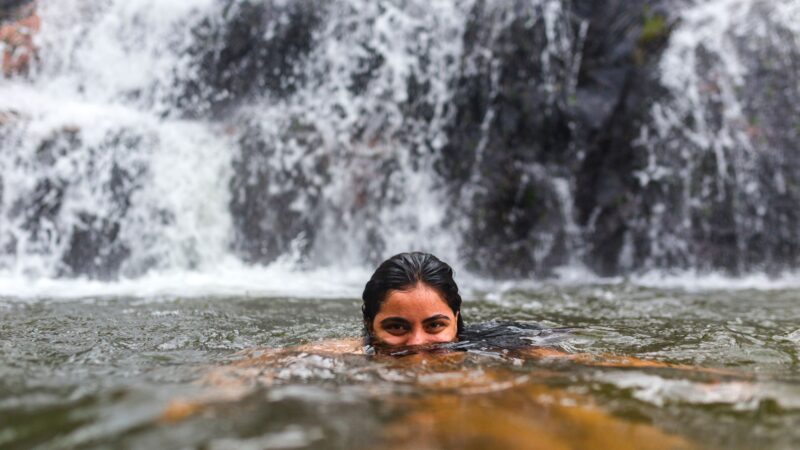
The one exception is Waimea Falls. Waimea falls in Waimea Valley is the only waterfall on Oahu with lifeguards, mandatory life jackets, and monitored swimming access. If swimming under Hawaiian waterfalls is on your bucket list, that is the only place to do it safely and legally.
Top 5 Most Visited Waterfalls on Oahu
1. Waimea Falls
- Best for: Families, first time visitors, anyone who wants a safe waterfall swim
- Swimming: Yes, with life jacket, lifeguards on dutty
- Difficulty: Easy, paved trail, flat terrain
- Distance: Approx. 1.5 miles round trip
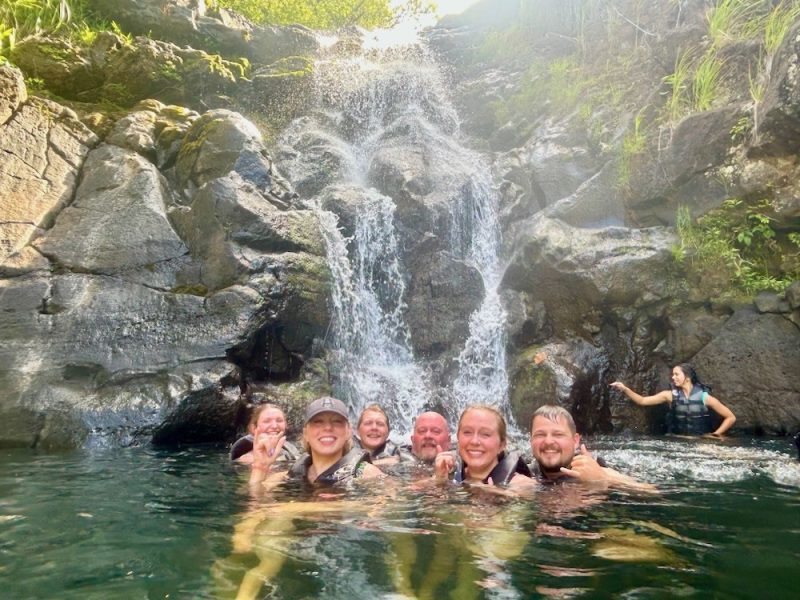
Waimea Falls sits inside Waimea Valley, one of Oahu’s most significant cultural and natural preserves. The valley has been inhabited for over 1,000 years. Today, it operates as a botanical garden and cultural site open to visitors. The trail to the falls is paved and accessible to nearly all fitness levels. It winds through tropical gardens, past a traditional Hawaiian hale, and ends at a 45 foot waterfall. Swimming is permitted in the pool at the base, the only legally monitored waterfall swim on the island.
Beyond the hike and swim, the valley offers a genuine cultural experience. Visitors can learn about native Hawaiian plants, traditional practices, and earn a Ho’okipa cultural certificate.
Want the full experience? Our in-depth Waimea Valley Waterfall Hike Guide covers everything, trail conditions, swimming tips, what to bring, and how to book a guided tour with breakfast, lunch, and Waikiki transportation included.
2. Manoa Falls
- Best for: hikers, rainforest lovers, first time visitors
- Swimming: No, prohibited due to leptospirosis risk
- Difficult: moderate, unpaved, uneven terrain, some muddy sections
- Distance: approx. 1.6 miles round trip
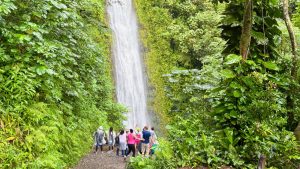
Manoa Falls is one of the most iconic hikers on Oahu. At 150 feet, it’s also one of the tallest waterfalls on the island. The trail winds through dense bamboo forest, ancient tree ferns, and lush tropical jungle. It’s just 15 minutes from Waikiki. The rainforest here is genuinely cinematic, and that’s not jut a figure of speech. Several well-known film and TV productions have used Manoa Valley as a filming location. Swimming is strictly prohibited at the falls. The pool carries leptospirosis risk, and falling rocks are a real hazard. However, the hike itself is well worth it.
Want the full experience? Our in-depth Manoa Falls Hike Guide covers trail conditions, what to wear, difficulty level, and how to book a guided tour with lunch and Tantalus Lookout included.
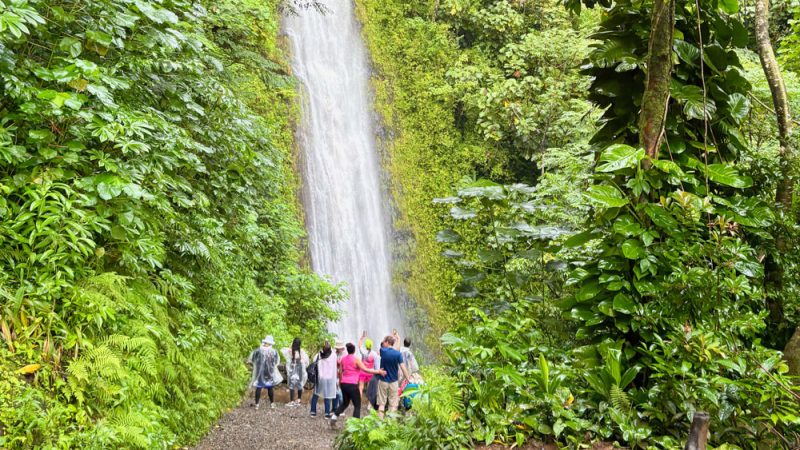
3. Lulumahu Falls
- Best for: adventurous hikers comfortable with mud and stream crossings
- Swimming: not recommended, slippery rocks, no lifeguards
- Difficulty: moderate to challenging
- Distance: approx. 2 miles round trip
Lulumahu Falls is Oahu’s most rewarding of the beaten path waterfall. The trail feels like a genuine jungle adventure. You’ll cross streams, push through bamboo, and navigate muddy terrain before reaching a dramatic 50 foot drop. The waterfall pool looks inviting, but swimming isn’t recommended. Rock are slippery, the current can be unpredictable after rainfall, and there’s no supervision on-site.
Practical tips:
- Wear shoes you don’t mind getting wet and muddy
- Go early, the trail gets crowded by mid-morning
- Check weather before you go, flash flood risk is real in this valley
4. La’ie Falls
- Best for: experienced hikers looking for solitude and big views
- Swimming: possible but not a designated swim spot
- Difficulty: challenging
- Distance: approx. 7 miles round trip
La’ie Falls is one of Oahu’s least visited major waterfalls, and that’s part of its appeal. The reward is significant: ocean views, mountain ridge lines, and a multi-tiered waterfall deep in the jungle. This is not a beginner hike. The 7 mile round trip takes most hikers 4 to 6 hours. Furthermore, the trail can be difficult to follow in sections, so experience with trail navigation is helpful. Swimming is technically possible at the base, but the water level varies with rainfall and there are no facilities or lifeguards. Overall, it’s a hiking destination rather than a swim destination.
Practical Tips:
- Start early, this hike takes most of the day
- Bring plenty of water and food
- Download an offline map before you go
- Go with at least one other person
Guided Tour or DIY?
Most visitors face the same decision: go independently or join a guided tour. Here’s a straightforward breakdown.
DIY Hiking
- Pros: Flexible timing, lower upfront cost, go at your own pace
- Cons: parking at popular trailheads is limited and often frustrating. Some trails require advance permits. Without local knowledge, you miss most of the cultural and botanical context. No meals or transportation included
- Best for: Oahu residents, repeat visitors, and experienced hikers who’ve done their research
Guided Tour
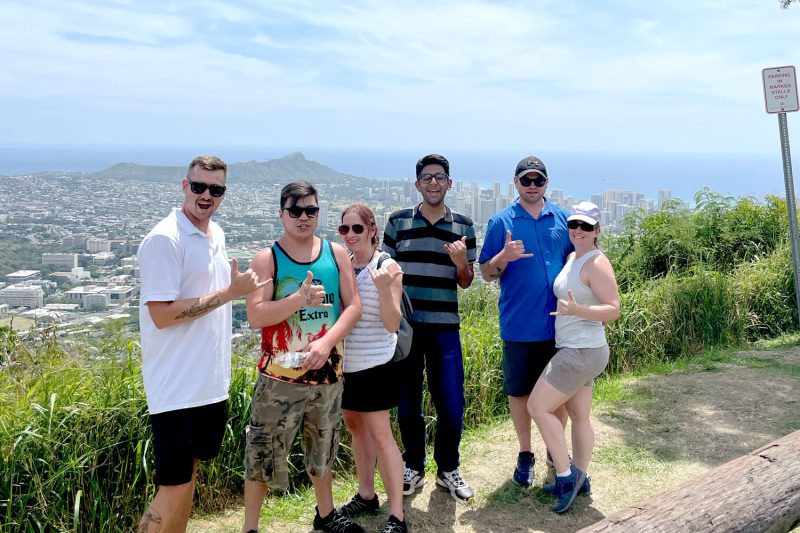
- Pros: round-trip transportation from Waikiki, professional local guide, cultural and nature interpretation, meal included, no permit headaches.
- Cons: fixed schedule and group setting
- Best for: first time visitors, families, and travelers who want a complete, stress-free experience.
For most visitors, a guided tour delivers more value, not just logistically, but experientially. Understanding what you’re seeing changes the experience entirely.
Nature and You Waterfall Tours
And You Creations runs two guided waterfall tours through its Nature and You. Both include round-trip transportation from Waikiki, a professional local guide, and meals
Waimea Valley Waterfall Hike & Swim
The only guided waterfall swim experience on Oahu. Includes cultural sites, botanical gardens, breakfast at Green World Coffee Farm, picnic lunch, and a Dole Plantation stop.
- Difficulty: Easy
- Duration: 7.5 hours
- Check current promotions here
Manoa Falls Rainforest Hike
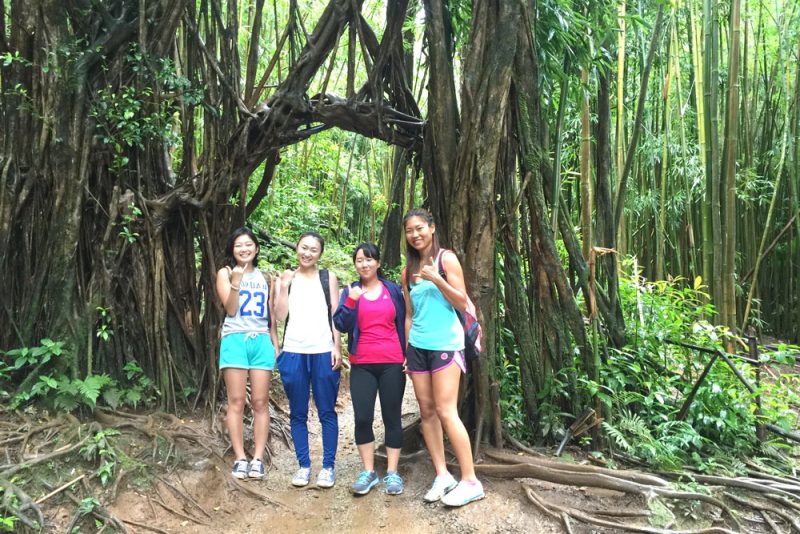
A guided rainforest hike to Oahu’s most iconic 150 foot waterfall, with a stop at Tantalus Lookout and a local style lunch included
- Difficulty: Moderate
- Duration: 5 hours
- Book Manoa falls tour here
Tips for Visiting Oahu’s Waterfalls
A few practical notes that apply regardless of which waterfall you visit:
Wear proper footwear: trails can be muddy, slippery, and uneven. Closed-toe shoes are essential. Beach sandals are not suitable on any of these trails
Go early: popular hikes like Manoa Falls get crowded by mid-morning. Starting early means better conditions, better photos, and fewer people.
Bring a change of clothes: If you’re swimming at Waimea, you’ll want dry clothes for the ride back.
Use reef-safe sunscreen: Protect Hawaii’s ecosystems, conventional sunscreen chemicals harm native plants and waterways.
Respect Kapu: many waterfalls and valleys hold deep cultural significance in Hawaiian tradition. Follow posted signs and treat these spaces accordingly.
Check weather before you go: flash flood risk is real, especially in valleys like Nu’uanu and Manoa. If heavy rain is forecast, reschedule.
Best Time of Year to Visit
Oahu’s waterfalls are accessible year-round, but conditions vary by season.
Rainy Season (November to March): waterfalls run with more volume and look more dramatic. However, trails are muddier, flash flood risk is higher, and some paths may be temporarily closed.
Dry Season (April to October): Trails are easier and safer to navigate. Waterfalls may run with less power, but conditions are generally more reliable.
Best strategy: Visit just after a period of light rain. You get strong waterfall flow without the hazards of heavy rainfall. Morning visits are best in any season.
Oahu’s waterfalls are among the most beautiful natural features on the island. However, they require more planning than most visitors expect. If you want the most complete waterfall experience on Oahu, swimming, culture, nature, and local flavor in a single day, the Waimea Valley Waterfall Hike is the place to start. For a shorter rainforest escape closer to Waikiki, the Manoa Falls hike delivers one of the island’s most iconic trails. Either way, get out there. These places are worth it.