







If you’re planning a trip to Hawaiʻi, there’s a moment almost everyone experiences: you open the weather app, see rain icons stacked day after day, and feel your excitement sink just a little.
Rain? On vacation?
Here’s the truth most visitors don’t realize until they arrive: rain in Hawaiʻi doesn’t work the way you think it does. A rainy forecast here rarely means a washed-out day, canceled plans, or being stuck indoors. In many cases, it’s the reason Hawaiʻi looks, feels, and photographs the way it does.
A Rain Forecast in Hawaii Rarely Means All Day Rain
Why the Weather App Looks Worse Than Reality
Most weather apps aren’t very good at explaining how rain happens in tropical climates. In Hawaiʻi, forecasts often show the chance of rain, not the duration. That means a brief 10-minute shower can label the entire day as “rainy.”
This is why visitors sometimes step outside, look around at blue skies, and wonder if they’re reading the wrong forecast.
Locals understand this instinctively. They check the weather, shrug, and continue with their day, not because they’re careless, but because experience has taught them how quickly conditions change.
Short Showers Are the Norm
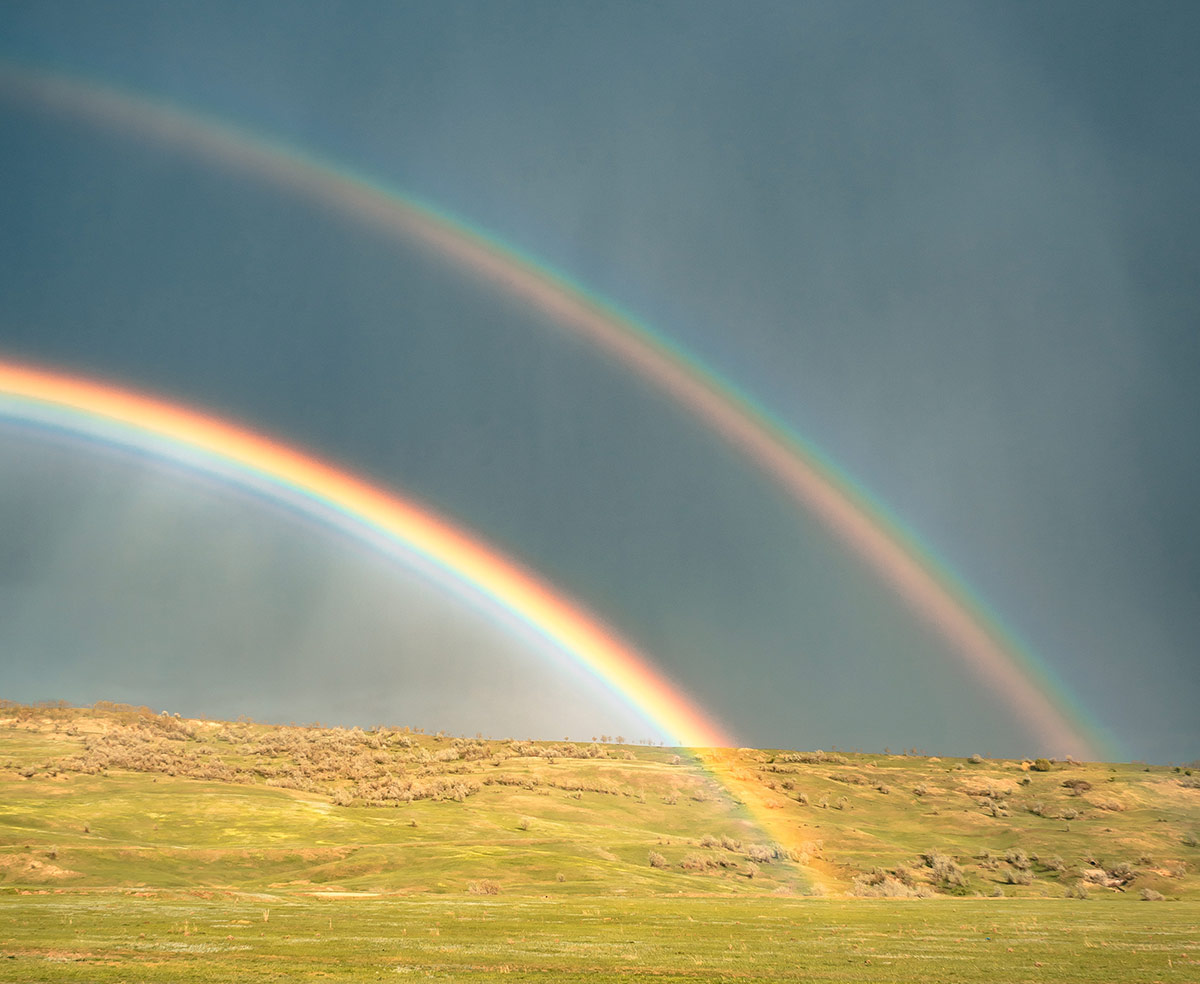
Rain in Hawaii often arrives suddenly and leaves just as fast. A quick shower passes through, the sun comes back out, and within minutes the pavement is drying. Sometimes you’ll even see sunshine and rain happening at the same time.
Not All Rain Is the Same in Hawaii
Valley Rain vs Coastal Rain
One of the biggest misunderstandings visitors have is assuming the entire island shares the same weather at the same time.
Hawaiʻi’s mountains catch clouds first. Valleys like Mānoa or Waimea may receive light rain while coastal areas, sometimes just 10 or 15 minutes away, remain completely dry. You can drive out of a rain shower and into full sun without realizing you’ve crossed a weather boundary.
This is why locals rarely panic over rain forecasts. They know location matters.
Why Wind Direction Changes Everything
Trade winds play a huge role in how rain behaves. On breezy days, clouds move quickly, rain passes through, and conditions clear fast. On still days, rain may linger longer, but even then, it’s rarely cold or uncomfortable.
Understanding this helps explain why “rainy” days often feel surprisingly pleasant.
Rain Is the Reason Hawaii Looks So Green
Waterfalls Need Rain
Those dramatic waterfall photos you’ve seen online? Many of them exist because of recent rain.
During dry periods, waterfalls can slow to a trickle. After rainfall, they surge—louder, fuller, and more impressive. The lush greenery Hawaii is famous for doesn’t happen in spite of rain; it exists because of it.
In other words, rain often enhances the very landscapes people travel here to see.

Mist, Clouds, and the “Movie Scene Effect”
Rain brings mist into the valleys and softens the light. Clouds roll through mountains, creating layers and depth that flat sunshine can’t replicate. Photographers love these conditions for a reason, they add atmosphere.
Some of the most memorable moments visitors describe aren’t bright, postcard-blue days, but quiet, misty ones that feel cinematic and calm.
Why Locals Don’t Cancel Plans Because of Rain
Warm Rain Changes the Experience
Unlike many places on the mainland, rain in Hawaiʻi is usually warm. You’re not battling cold air or biting wind. The ocean temperature doesn’t change, and the rain itself often feels refreshing rather than miserable.
Rain Is Part of Daily Life
In Hawaii, daily life doesn’t stop for rain. Schools stay open. Work continues. People hike, surf, and spend time outdoors unless conditions are genuinely unsafe.
This mindset is important for visitors to understand. Rain here isn’t treated as a problem—it’s simply part of the environment.
When Rain Does Matter (And When It Doesn’t)
Rain That’s Mostly Inconvenient
- Light showers
- Passing drizzle
- Short bursts with sunshine before or after
These conditions might dampen your clothes briefly, but they rarely change plans in a meaningful way.
Rain That Actually Changes Plans
There are moments when rain matters:
- Flash flood warnings
- Heavy rain combined with strong winds
- Poor visibility or unsafe ground conditions
In these situations, plans should adjust—not because rain is uncomfortable, but because safety matters. The key difference in Hawaiʻi is that decisions are made based on conditions, not forecasts alone.

The Best Hawaiʻi Memories Often Happen on “Rainy” Days
Fewer Crowds, Softer Light, Slower Pace
Rain has an unexpected side effect: it filters crowds. Some people cancel plans the moment they see clouds, leaving popular spots quieter and more peaceful.
The pace slows. The atmosphere softens. Experiences feel more personal.
Letting Go of Perfect-Weather Expectations
Many visitors arrive with an idea of Hawaii that revolves around endless sunshine and rigid plans. But the island tends to reward flexibility. When you stop chasing “perfect” conditions, you often end up with something better—moments that feel genuine, calm, and memorable.
Should You Worry About Rain in Hawaii?
The Short Answer: Usually, No
Rain icons on your phone don’t automatically signal a bad day. More often than not, they signal brief showers, lush scenery, and conditions that locals consider completely normal.
Instead of obsessing over forecasts, pay attention to:
- Safety alerts rather than rain percentages
- Wind conditions
- Local advice
How to Plan Smart Without Overthinking
- Pack a light rain jacket
- Build small buffers into your schedule
- Choose experiences that adapt to changing conditions
Flexibility goes a long way here.
Hawaiʻi isn’t a place where everything is controlled by schedules or weather apps. Some of the most meaningful experiences here are shaped by terrain, ocean patterns, and conditions that shift throughout the day.
That’s why many travelers eventually realize that understanding the environment—and allowing room for it—is part of what makes Hawaii feel different from other destinations.